Popular India Tour Packages: Choose from a list of Holiday Packages & Book your Dream Vacation with Turban Adventures. Grab exciting deals for upcoming holiday.
List of Popular India Tour Packages at the Best Prices
A country by name, but a continent in scale, India is full of diversity. To guide you where to go when faced with such rich variety, our India specialists use the experience of their own travels to create your tailor-made vacation to India.
 ATOL PROTECTED
 24/7 GUIDANCE & SUPPORT
 20+ YEARS OF EXPERIENCE
 WE TAKE OF THE LEG WORK
 WE FIND YOU THE BEST DEAL
Lorem ipsum dolor sit, amet consectetur adipisicing elit. Tempore dolor deleniti excepturi nulla animi reprehenderit voluptatum itaque cupiditate, vel soluta?
Lorem ipsum dolor sit, amet consectetur adipisicing elit. Tempore dolor deleniti excepturi nulla animi reprehenderit voluptatum itaque cupiditate, vel soluta?
For first-time travelers to India, here are some of the most suitable tour packages:
Golden Triangle Tour: The Golden Triangle tour covers Delhi, Agra, and Jaipur, which are three of the most popular tourist destinations in North India.
Rajasthan Tour: Rajasthan is a land of royalty, known for its magnificent forts, palaces, and vibrant culture.
Kerala Backwaters Tour: Kerala is known for its serene backwaters, lush greenery, and scenic landscapes. South India Tour:
South India is known for its beautiful temples, scenic hill stations, and rich biodiversity.
The best time to visit India depends on the region you plan to visit and the activities you wish to undertake. India has a diverse climate due to its size, and weather conditions can vary significantly from region to region. Here's a breakdown of the best time to visit India by region:
North India: The best time to visit North India is from October to March when the weather is pleasant and ideal for outdoor activities.
South India: South India experiences a tropical climate, and the best time to visit is from November to February when the weather is mild and comfortable.
Western India: The best time to visit Western India is from November to February when the weather is cooler and pleasant.
Eastern India: The best time to visit Eastern India is from October to March when the weather is mild and comfortable.
Here are some general guidelines for the duration of an India tour:
Golden Triangle Tour: A typical Golden Triangle tour covers Delhi, Agra, and Jaipur, and it takes around 5-7 days to complete the trip.
Rajasthan Tour: A Rajasthan tour covers multiple cities, including Jaipur, Jodhpur, Udaipur, and more. Depending on the number of cities you plan to visit, a Rajasthan tour can take anywhere between 10-15 days.
South India Tour: A South India tour covers multiple destinations, including Chennai, Mysore, Coorg, and more. Depending on the number of cities you plan to visit, a South India tour can take anywhere between 7-14 days.
North India Tour: A North India tour covers destinations such as Delhi, Agra, Varanasi, and more. Depending on the number of cities you plan to visit, a North India tour can take anywhere between 10-15 days.
Here's a general overview of the weather conditions in India by season:
Winter (December - February): The winter season in India is generally mild, with temperatures ranging from 10°C to 25°C (50°F to 77°F). The northern parts of the country, such as Delhi and Agra, can be quite chilly during this time, with temperatures dropping below 5°C (41°F) at night.
Spring (March - May): The spring season in India is characterized by rising temperatures, with average temperatures ranging from 25°C to 35°C (77°F to 95°F). The hot and dry climate of the northern plains and the deserts of Rajasthan and Gujarat can be quite uncomfortable during this time.
Monsoon (June - September): The monsoon season in India is characterized by heavy rains and high humidity. The southwest monsoon brings rain to most parts of the country, and the average temperature ranges from 25°C to 30°C (77°F to 86°F).
Post-Monsoon (October - November): The post-monsoon season in India is characterized by a pleasant climate, with temperatures ranging from 20°C to 30°C (68°F to 86°F). This is a popular time to visit India, as the weather is mild and comfortable.
India offers a wide range of accommodations to suit all budgets and preferences. Here are some of the most common types of accommodations you can find in India:
Hotels: India has a range of hotels, from budget to luxury, offering a variety of amenities and services.
Guesthouses: Guesthouses are smaller than hotels and often family-run. They offer a more personal touch and are a great option for budget travelers.
Homestays: Homestays are becoming increasingly popular in India, offering visitors the opportunity to stay with a local family and experience their way of life.
Resorts: India has a range of resorts, often located in scenic areas or near tourist attractions. They offer a range of amenities such as swimming pools, spa facilities, and recreational activities.
Hostels: Hostels are a great option for budget travelers and backpackers. They offer basic accommodation in shared dormitories or private rooms, often with shared bathrooms and communal spaces.
Campsites: India has a range of campsites, offering visitors the opportunity to experience the great outdoors. Some campsites offer tents or bungalows, while others require visitors to bring their own camping gear.
Here are some options for staying connected:
SIM cards: Visitors can purchase a local SIM card from one of the many mobile network providers in India, such as Airtel, Vodafone-Idea, Jio, and BSNL. This will enable you to make calls, send texts, and use data while in India. Make sure to carry your passport and visa with you when purchasing a SIM card, as they will be required for verification.
Wi-Fi: Many hotels, cafes, and restaurants offer free Wi-Fi, which can be accessed using a password or by logging in through a social media account. However, the quality and speed of the Wi-Fi can vary widely.
International roaming: If your home network provider offers international roaming, you can use your existing phone plan while in India. However, this can be expensive, so it's important to check the charges before traveling.
Internet cafes: Internet cafes are still prevalent in many parts of India, and they offer an affordable option for accessing the internet and staying connected.
Some popular tour packages in India include:
Cultural and historical tours focus on the cultural and historical sites of India, such as the Taj Mahal, the Golden Temple, and the palaces and forts of Rajasthan.
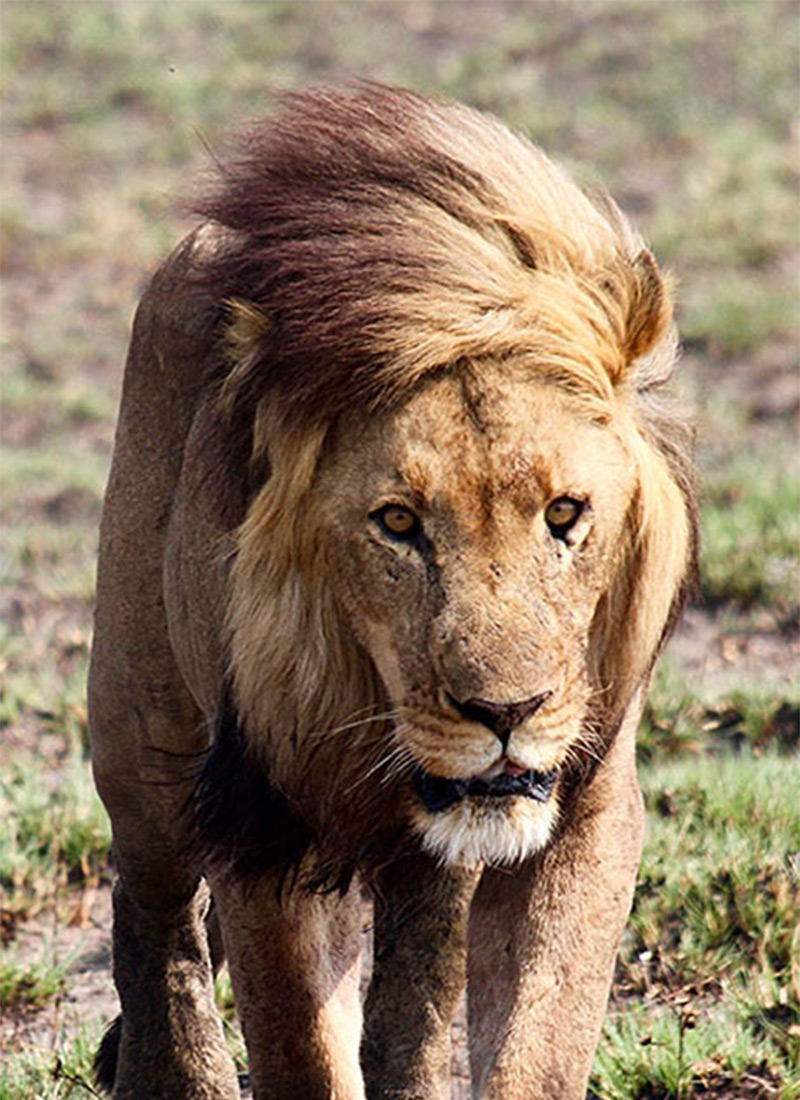
Wildlife tours take you to natix`onal parks and wildlife sanctuaries in India, where you can spot tigers, elephants, and rhinoceroses. Beach tours take you to the beautiful beaches of Goa and Kerala, where you can relax and enjoy the sun, sand, and sea.
Hill station tours take you to the cool and scenic hill stations of Darjeeling, Shimla, and Manali, where you can enjoy the mountain air and beautiful views.
Yoga and wellness tours combine yoga and meditation practices with sightseeing and cultural activities.
Adventure tours offer activities such as trekking, rafting, and rock climbing. Popular adventure destination is Rishikesh, Ladakh, Kufri etc.
Spirituality tours focus on exploring India's spiritual traditions, such as yoga and meditation. There are many popular destinations, such as Varanasi, Haridwar, Rishikesh, Ayodhya, Mathura, Madurai etc.
Here are some of the most popular festivals in India:
Diwali: Also known as the festival of lights, Diwali is celebrated in late October or early November and marks the victory of good over evil. It is celebrated with lighting of diyas (earthen lamps), fireworks, and exchanging gifts.
Holi: Also known as the festival of colors, Holi is celebrated in March and is a celebration of spring and the triumph of good over evil. People throw colored powder and water at each other, sing and dance, and enjoy traditional sweets.
Durga Puja: Durga Puja is a Hindu festival celebrated in September or October to honor the goddess Durga. It is celebrated with pandal-hopping (visiting decorated temporary structures), traditional food, and cultural programs.
Eid al-Fitr: Eid al-Fitr is a Muslim festival celebrated after the end of Ramadan, the Islamic month of fasting. It is celebrated with prayer, feasting, and exchanging gifts.
Ganesh Chaturthi: Ganesh Chaturthi is a Hindu festival celebrated in August or September to honor the elephant-headed god Ganesha. It is celebrated with the installation of Ganesha idols, traditional food, and cultural programs.
Christmas: Although not an Indian festival, Christmas is widely celebrated in India, especially in cities with a significant Christian population. It is celebrated with carol singing, midnight mass, and exchanging gifts.
Here are some common payment methods:
Credit or Debit Card: Many tour operators in India accept payment by credit or debit cards. They may charge a convenience fee for card payments.
Bank Transfer: You can also transfer the payment directly to the tour operator's bank account through online banking or by visiting a bank branch.
Payment Gateway: Some tour operators have integrated payment gateways on their website that allow you to pay online using a credit or debit card or net banking.
Paytm or other digital wallets: Many tour operators also accept payment through popular digital wallets such as Paytm, PhonePe, Google Pay, or other similar platforms.
Lorem, ipsum dolor sit amet consectetur adipisicing elit. Suscipit, laudantium.
Lorem ipsum dolor sit amet consectetur adipisicing elit.
Lorem, ipsum dolor sit amet consectetur adipisicing elit. Suscipit, laudantium.
Find out the best time to visit India with our month by month guide.
January is a great option for sightseeing in the north, days are clear and warm with minimal fog in the mornings. During this month, southern India provides a warm, sunny escape - properties in Kerala can fill quickly. If all that wasn't enough, visitors can experience some of the best mountain views in the Himalaya's - but you'll need to wrap up warm!